• राष्ट्रीय व्यावसायिक और तकनीकी शिक्षा संस्थान
  • NATIONAL INSTITUTE OF VOCATIONAL
  • & TECHNICAL EDUCATION
Logo Image
Close Menu ×
NATIONAL INSTITUTE OF VOCATIONAL & TECHNICAL EDUCATION, NIVTE, (NIVTE is An Autonomous Body NCT New Delhi) Incorporated under the Legislation Ministry of corporate Affairs GOVERNMENT OF INDIA

Our Courses

View All

DEPARTMENT OF HARDWARE AND NETWORKING

Networking hardware, also known as network equipment or computer networking devices, are physical devices which are required for communication and interaction between devices on a computer network. Specifically, they mediate data in a computer network. Units which are the last receiver or generate data are called hosts or data terminal equipment. ||| Networking devices may include gateways, routers, network bridges, modems, wireless access points, networking cables, line drivers, switches, hubs, and repeaters; and may also include hybrid network devices such as multilayer switches, protocol converters, bridge routers, proxy servers, firewalls, network address translators, multiplexers, network interface controllers, wireless network interface controllers, ISDN terminal adapters and other related hardware. ||| The most common kind of networking hardware today is a copper-based Ethernet adapter which is a standard inclusion on most modern computer systems. Wireless networking has become increasingly popular, especially for portable and handheld devices.Other networking hardware used in computers includes data center equipment (such as file servers, database servers and storage areas), network services (such as DNS, DHCP, email, etc.) as well as devices which assure content delivery.Taking a wider view, mobile phones, PDAs and even modern coffee machines may also be considered networking hardware. As technology advances and IP-based networks are integrated into building infrastructure and household utilities, network hardware will become an ambiguous term owing to the vastly increasing number of "network capable" endpoints.

DEPARTMENT OF MUSIC

Music is an art form and cultural activity whose medium is sound organized in time. The common elements of music are pitch (which governs melody and harmony), rhythm (and its associated concepts tempo, meter, and articulation), dynamics (loudness and softness), and the sonic qualities of timbre and texture (which are sometimes termed the "color" of a musical sound). Different styles or types of music may emphasize, de-emphasize or omit some of these elements. Music is performed with a vast range of instruments and vocal techniques ranging from singing to rapping; there are solely instrumental pieces, solely vocal pieces (such as songs without instrumental accompaniment) and pieces that combine singing and instruments. The word derives from Greek ??????? (mousike; "art of the Muses"). ||| In its most general form, the activities describing music as an art form or cultural activity include the creation of works of music (songs, tunes, symphonies, and so on), the criticism of music, the study of the history of music, and the aesthetic examination of music. Ancient Greek and Indian philosophers defined music as tones ordered horizontally as melodies and vertically as harmonies. Common sayings such as "the harmony of the spheres" and "it is music to my ears" point to the notion that music is often ordered and pleasant to listen to. However, 20th-century composer John Cage thought that any sound can be music, saying, for example, "There is no noise, only sound. ||| The creation, performance, significance, and even the definition of music vary according to culture and social context. Indeed, throughout history, some new forms or styles of music have been criticized as "not being music", including Beethoven's Grosse Fuge string quartet in 1825, early jazz in the beginning of the 1900s and hardcore punk in the 1980s. There are many types of music, including popular music, traditional music, art music, music written for religious ceremonies and work songs such as chanteys. Music ranges from strictly organized compositions–such as Classical music symphonies from the 1700s and 1800s, through to spontaneously played improvisational music such as jazz, and avant-garde styles of chance-based contemporary music from the 20th and 21st centuries. ||| Music can be divided into genres (e.g., country music) and genres can be further divided into subgenres (e.g., country blues and pop country are two of the many country subgenres), although the dividing lines and relationships between music genres are often subtle, sometimes open to personal interpretation, and occasionally controversial. For example, it can be hard to draw the line between some early 1980s hard rock and heavy metal. Within the arts, music may be classified as a performing art, a fine art or as an auditory art. Music may be played or sung and heard live at a rock concert or orchestra performance, heard live as part of a dramatic work (a music theater show or opera), or it may be recorded and listened to on a radio, MP3 player, CD player, smartphone or as film score or TV show. ||| In many cultures, music is an important part of people's way of life, as it plays a key role in religious rituals, rite of passage ceremonies (e.g., graduation and marriage), social activities (e.g., dancing) and cultural activities ranging from amateur karaoke singing to playing in an amateur funk band or singing in a community choir. People may make music as a hobby, like a teen playing cello in a youth orchestra, or work as a professional musician or singer. The music industry includes the individuals who create new songs and musical pieces (such as songwriters and composers), individuals who perform music (which include orchestra, jazz band and rock band musicians, singers and conductors), individuals who record music (music producers and sound engineers), individuals who organize concert tours, and individuals who sell recordings and sheet music and scores to customers.

DEPARTMENT OF YOGA

Yoga is a group of physical, mental, and spiritual practices or disciplines which originated in ancient India. There is a broad variety of yoga schools, practices, and goals in Hinduism, Buddhism, and Jainism. Among the most well-known types of yoga are Hatha yoga and Raja yoga. ||| The origins of yoga have been speculated to date back to pre-Vedic Indian traditions: it is mentioned in the Rigveda, but most likely developed around the sixth and fifth centuries BCE, in ancient India's ascetic and ?ramaa movements. The chronology of earliest texts describing yoga-practices is unclear, varyingly credited to Hindu Upanishads. The Yoga Sutras of Patanjali date from the first half of the 1st millennium CE, but only gained prominence in the West in the 20th century. Hatha yoga texts emerged around the 11th century with origins in tantra. ||| Yoga gurus from India later introduced yoga to the West, following the success of Swami Vivekananda in the late 19th and early 20th century. In the 1980s, yoga became popular as a system of physical exercise across the Western world. Yoga in Indian traditions, however, is more than physical exercise; it has a meditative and spiritual core. One of the six major orthodox schools of Hinduism is also called Yoga, which has its own epistemology and metaphysics, and is closely related to Hindu Samkhya philosophy. ||| Many studies have tried to determine the effectiveness of yoga as a complementary intervention for cancer, schizophrenia, asthma, and heart disease. The results of these studies have been mixed and inconclusive. On December 1, 2016, yoga was listed by UNESCO as an Intangible cultural heritage.

National Institute of Vocational & Technical Education a name tagged to enhance the strength of Indian higher education while offering the quality and nurtureful education in almost every theme of major disciplines. NIVTE being as a top ranking institute of India commits to bring the student with bright future. We also conduct our counseling session under the operation head where we analyze the interest of the students as per their past education and experience and then offer the best suited career programs.
National Institute of Vocational & Technical Education envisioned to provide unique and dynamic platform for quality education and nurtureful skills and development programs...
National Institute of Vocational & Technical Education, a unique trunk of dynamic education offering best to their higher students...

Major Faculty Cell
Computing & Information Technology
Nursery Teacher Training (NTT)
Fire & Safety
Industrial Training Institute (ITI)
To provide instructions, teaching and training in Higher Education and make provisions for research...

COURSES WE OFFER

NIVTE have a number of certifications and diploma in diffierent diffierent fiels.

AUTHENTICITY

Our education services ranked top 10 all over the India by most recognized organizations.

GROW WITH US

NIVTE is one of the growing organization in education field and we have number of education center.
Our Blogs

Latest Artical And News

Blog Image
  • NivteAdmin
  • /
  • 2022-06-12

Vocational Courses

NIVTE offer all type of Vocational courses form 2 month to 12 month time duration

Blog Image
  • NivteAdmin
  • /
  • 2022-12-06

IT COURSE

From Basic computer courses to advance programing language, MS office to Tally all courses are available.

Blog Image
  • NivteAdmin
  • /
  • 2022-06-24

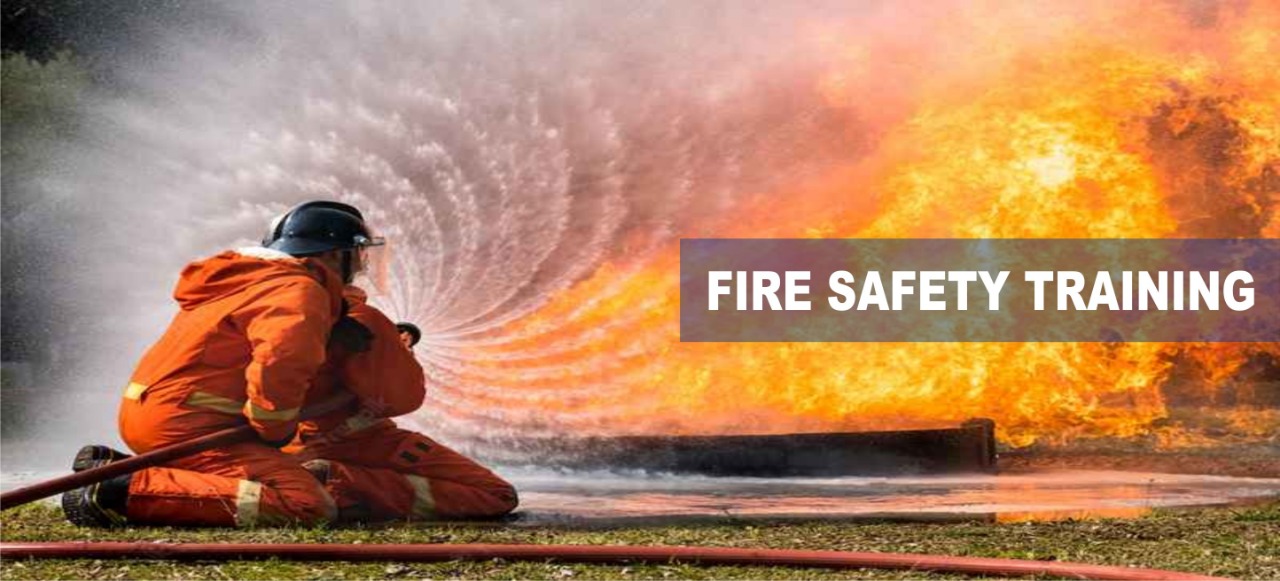
Fire Safety Course

Fire safety is the set of practices intended to reduce the destruction caused by fire. Fire safety measures include those that are intended to prevent ignition of an uncontrolled fire, and those that are used to limit the development and effects of a fire after it starts. Fire safety measures include those that are planned during the construction of a building or implemented in structures that are already standing, and those that are taught to occupants of the building. Threats to fire safety are commonly referred to as fire hazards. A fire hazard may include a situation that increases the likelihood of a fire or may impede escape in the event a fire occurs. Fire safety is often a component of building safety. Those who inspect buildings for violations of the Fire Code and go into schools to educate children on Fire Safety topics are fire department members known as Fire Prevention Officers. The Chief Fire Prevention Officer or Chief of Fire Prevention will normally train newcomers to the Fire Prevention Division and may also conduct inspections or make presentations.

Out Of Box

Our Teaching skills are out of the box and effective.

Environment

We provide traditional courses like Ayurveda etc.

Commitment

Right Our Mission is to link the education with your dream job.

Innovation

We encourage student to involve in innovation process.